One year of Sentibee (already?)
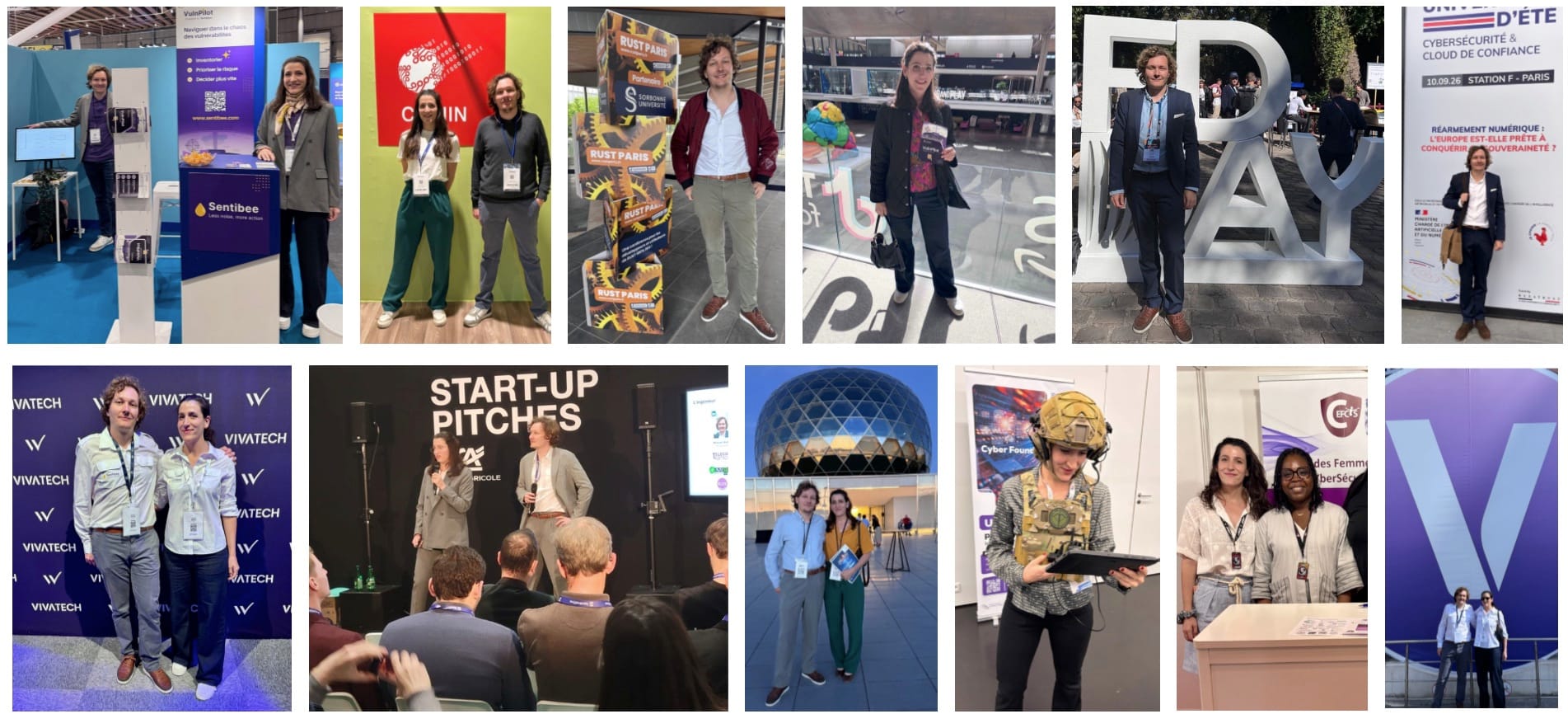
24 November 2026, Sentibee turns one year old.
One year. That's not a lot, and yet it feels like a lifetime.
Where it all started
Before Sentibee, I was at I-Tracing, working in a CERT. Day after day, we saw the same pattern repeat itself: vulnerabilities get published, and a few weeks later, some of them turn into full-blown incidents. The worst part? Going through every published vulnerability to figure out which ones actually mattered took forever. It was manual, repetitive, and frankly exhausting.
We wanted to automate the analysis, make it humanly possible in the AI era and build a complete methodology around vulnerability intelligence. Something that answers the question every security team asks: "Which of these vulnerabilities should we actually worry about right now?"
A year before anything public
Here's something people don't always see from the outside: even before the company was created, a lot of things happened.
We talked to security teams, CISOs, analysts, anyone who had ever stared at a CVE feed and wondered what to do with it, to understand their real pain points. Not the ones we assumed they had. The ones they actually had. That is a lot of interviews to conduct, when nothing is built yet.
And we spent a lot of time on something you can't put in a pitch deck: our values and our mission. Because with Agathe, my co-founder, we had convictions. If you don't truly believe in what you're building, the product will show it. So we took the time to get that right.
First pitches, first public steps
Then came the first pitches. Some went well, others... let's call them learning experiences. Then the first public appearances: conferences, meetups, blog posts. Seeing the name "Sentibee" out there in the wild for the first time was a strange feeling.
The first pitches were really stressful. I remember the first one, in front of a panel of 50 people. Because, why should we start small? It was not our best one (we learned by doing it), but it paved the way.
I'll be honest, I'm still not a pitch master although we're a little bit more accustomed now.
After that, we spent nearly six months in co-construction with partners and beta testers. Six months of listening, breaking things, fixing them, and listening again. If you're building something for security teams, you don't get to guess what they need. You have to sit down with them and ask.
And then there's the FIC story. Due to a misunderstanding, we found out two weeks before the event that we had a stand to prepare. Two weeks working from 9am to 3am! And of course, because life has a sense of humor, we ended up doing the whole thing again, this time in one week. One week to design, build, and ship a stand. We made it. Barely. But we made it.
And now, our vulnerability intelligence layer is live. You can try it free of charge: VulnPilot by Sentibee.
What I've learned
Being an entrepreneur requires learning a lot of things. And I mean a lot:
- You have to master the technical side, but being my expertise, that's easy;
- A perfect product that isn't sold is useless and people won't get convinced by themselves, learning sales is not an option;
- Europe loves regulation, you have to deal with it because your customers also have to do this.
I think the last year made me a better person overall. I learned a lot of things but most importantly it made me meet a lot of passionate and great people.
Parting thoughts
So here's to year one of Sentibee. To my associate, to the partners and beta testers who trusted us early, and to everyone who told us about their 2 a.m. vulnerability headaches: thank you.
Year two, here we come.
That's all folks (or is it?) 🎉
